Service
Chimney inspection
An inspection is the only way to know whether a chimney is safe to use. NFPA 211, the national standard for chimneys, fireplaces and vents, calls for one at least once a year.
What it is and why it matters
NFPA 211 defines three levels of inspection. A Level 1 covers a chimney you use regularly with no changes. A Level 2 is called for when you buy or sell a home, change the fuel or appliance, or after a storm, earthquake or chimney fire. A Level 3 is only needed when a hidden problem is suspected and concealed areas have to be opened up.
What's included
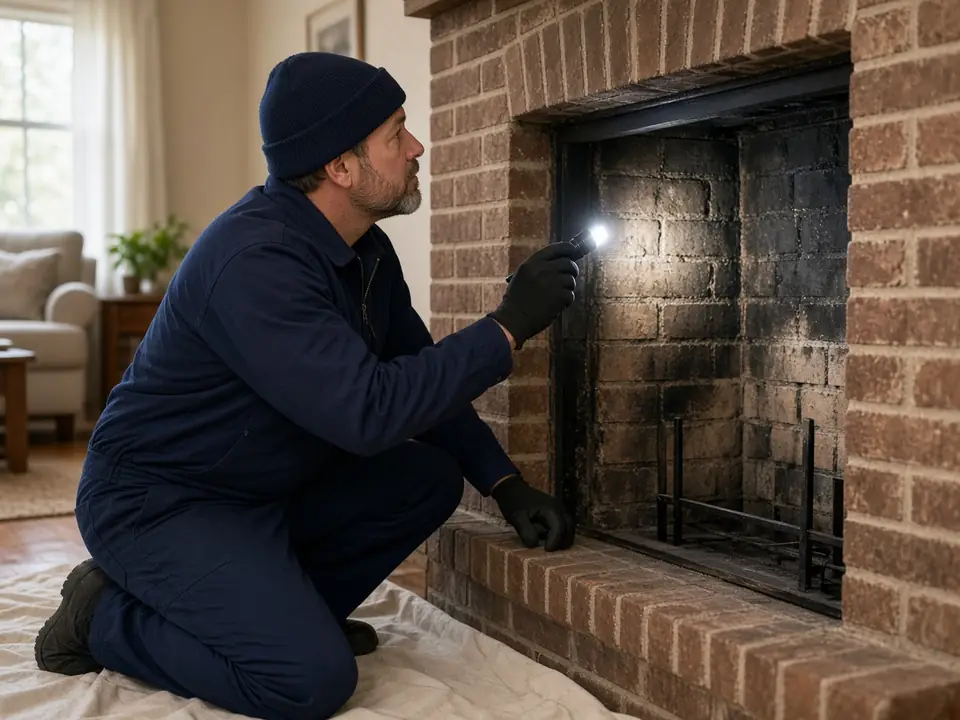
- A check of the firebox, damper, smoke chamber and flue
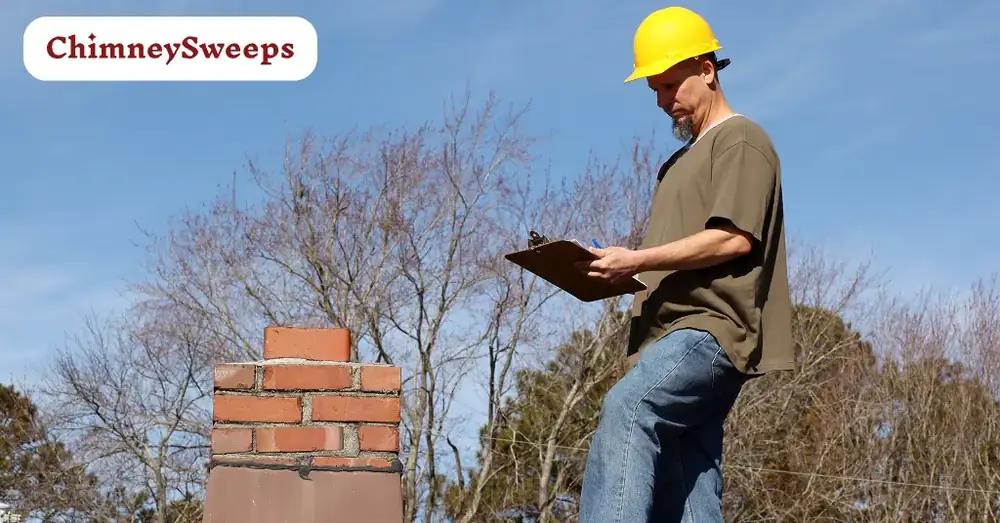
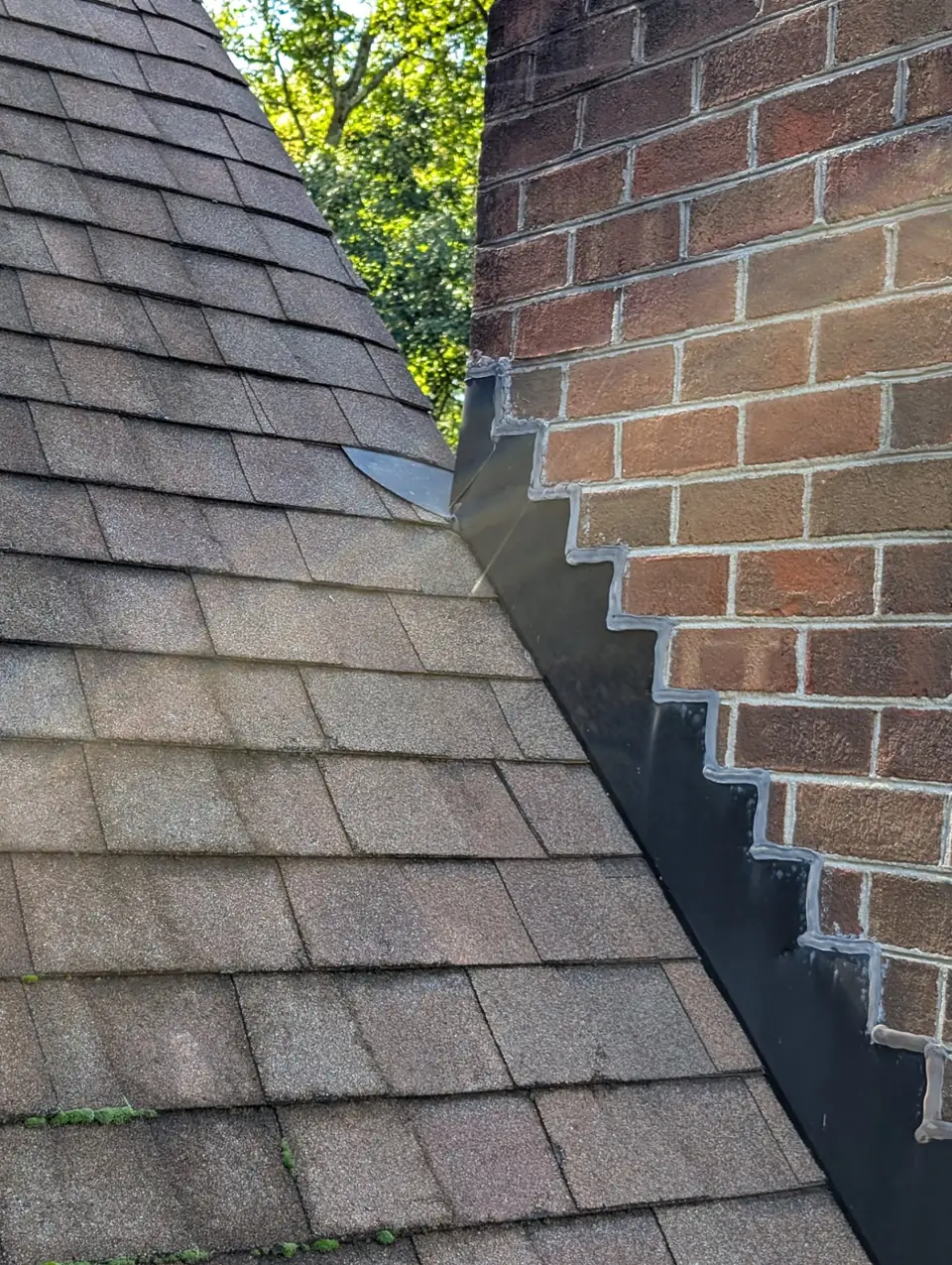
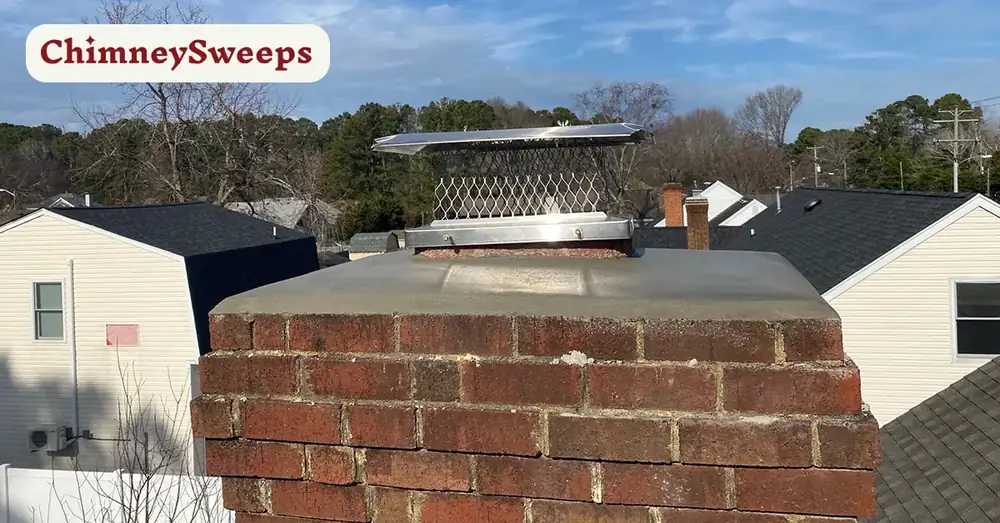
- Crown, cap, flashing and masonry on the roof (Level 2)
- Video scan of the flue liner (Level 2)
- Clearances to combustibles and appliance connections
- A written summary of what was found, ideally with photos
The three NFPA 211 inspection levels
Level 1
The readily accessible parts of the chimney exterior and interior, the firebox, damper and appliance connections. Right for a system you use regularly with no changes.
Level 2
Everything in Level 1, plus accessible areas of the attic, crawl space and roof, and a video scan of the inside of the flue. Called for at a property sale or transfer, a change of fuel or appliance, or after an event that could have damaged the chimney.
Level 3
Everything in Level 2, plus access to concealed areas where a serious hazard is suspected. This may mean removing parts of the building or chimney, so it is only recommended when Level 1 or 2 findings point to it.
Source: NFPA 211, Standard for Chimneys, Fireplaces, Vents, and Solid Fuel-Burning Appliances.
Signs it's time to book
- You are buying or selling a home
- It has been more than a year since the last inspection
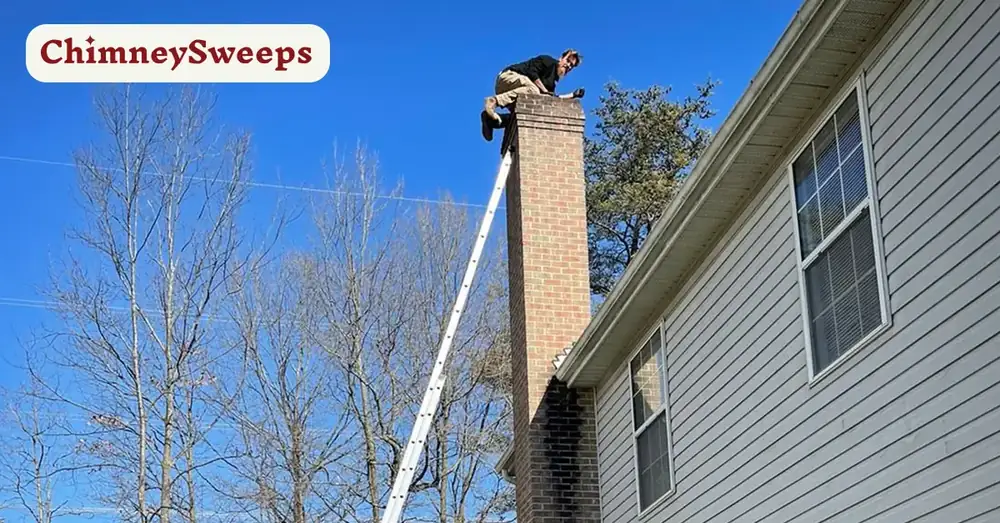
- There has been a storm, roof work, a lightning strike or a chimney fire
- You are adding a wood stove, insert or new gas logs
- You smell smoke, see water stains or find debris in the firebox
Prices are set by each local member company. Your local page shows their starting prices where they've published them.
Book chimney inspection near you
Enter your ZIP code to see the company that serves your area, with their phone number and prices.
Prefer to call? Dial 833-CHIMNEY ((833) 244-6639) and enter your ZIP when asked.
Chimney Inspection FAQ
How often should a chimney be inspected?
NFPA 211 calls for chimneys, fireplaces and vents to be inspected at least once a year, and cleaned when the inspection shows it is needed.
Which inspection level do I need when buying a house?
NFPA 211 calls for a Level 2 inspection when a property is sold or transferred. It includes a video scan of the flue, which a general home inspection usually does not.
Is a home inspection the same as a chimney inspection?
No. A general home inspector looks at what is visible. A chimney inspection, especially a Level 2, looks inside the flue and at the parts that cause most chimney fires and leaks.
Do gas fireplaces and furnace flues need inspecting?
Yes. NFPA 211 covers vents for gas appliances too. Nests, debris and failed liners can block a gas vent and push combustion gases back into the home.
How long does an inspection take?
A Level 1 is usually part of a normal visit. A Level 2 takes longer because of the camera scan. The company you book with can give you a time window.
Chimney Inspection by state
Every area code has its own local page. Choose your state to find the company that serves you.
- Alabama
- Alaska
- Arizona
- Arkansas
- California
- Colorado
- Connecticut
- Delaware
- District of Columbia
- Florida
- Georgia
- Hawaii
- Idaho
- Illinois
- Indiana
- Iowa
- Kansas
- Kentucky
- Louisiana
- Maine
- Maryland
- Massachusetts
- Michigan
- Minnesota
- Mississippi
- Missouri
- Montana
- Nebraska
- Nevada
- New Hampshire
- New Jersey
- New Mexico
- New York
- North Carolina
- North Dakota
- Ohio
- Oklahoma
- Oregon
- Pennsylvania
- Rhode Island
- South Carolina
- South Dakota
- Tennessee
- Texas
- Utah
- Vermont
- Virginia
- Washington
- West Virginia
- Wisconsin
- Wyoming
Other services: Chimney Cleaning · Dryer Vent Cleaning · Chimney Repairs · Chimney Relining · Wood Stove Installs · All services