Service
Wood stove installation
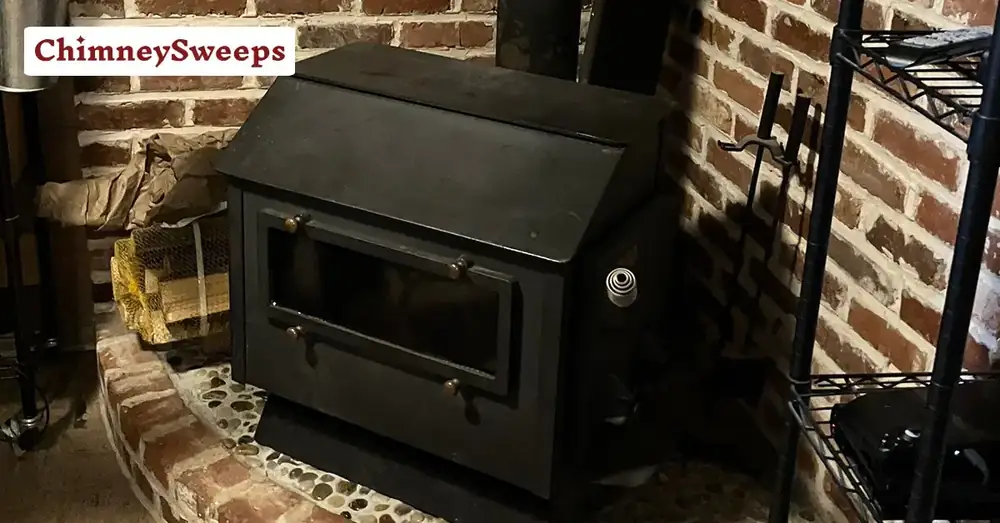
A wood stove or fireplace insert is only as safe as its installation. Clearances, floor protection, the connector pipe and the chimney all have to match the stove’s listing and the code.
What it is and why it matters
Listed wood stoves and inserts come with installation instructions and a label that set out clearances to combustibles, floor protection and venting. NFPA 211 covers the installation of solid fuel-burning appliances, their connectors and chimneys, and the IRC covers chimneys and hearths. New wood stoves sold in the U.S. must be certified to the EPA’s emission standards. Many areas also require a permit, so check with your local building department.
What the work usually involves
- A check of the existing chimney, or a plan for a new listed chimney system
- Help choosing a stove or insert that fits the room and the flue
- Clearances and floor protection to the manufacturer’s instructions
- Connector pipe or a full liner sized to the stove
- A final check of draft and operation, with tips on safe use
Sources: NFPA 211, Standard for Chimneys, Fireplaces, Vents, and Solid Fuel-Burning Appliances; International Code Council, 2021 International Residential Code (IRC), Chapter 10: Chimneys and Fireplaces; U.S. EPA, Burn Wise: Choosing the right wood. Codes are adopted locally, often with amendments; your building department can tell you which edition applies.
Signs it's time to book
- You want a more efficient way to heat with wood
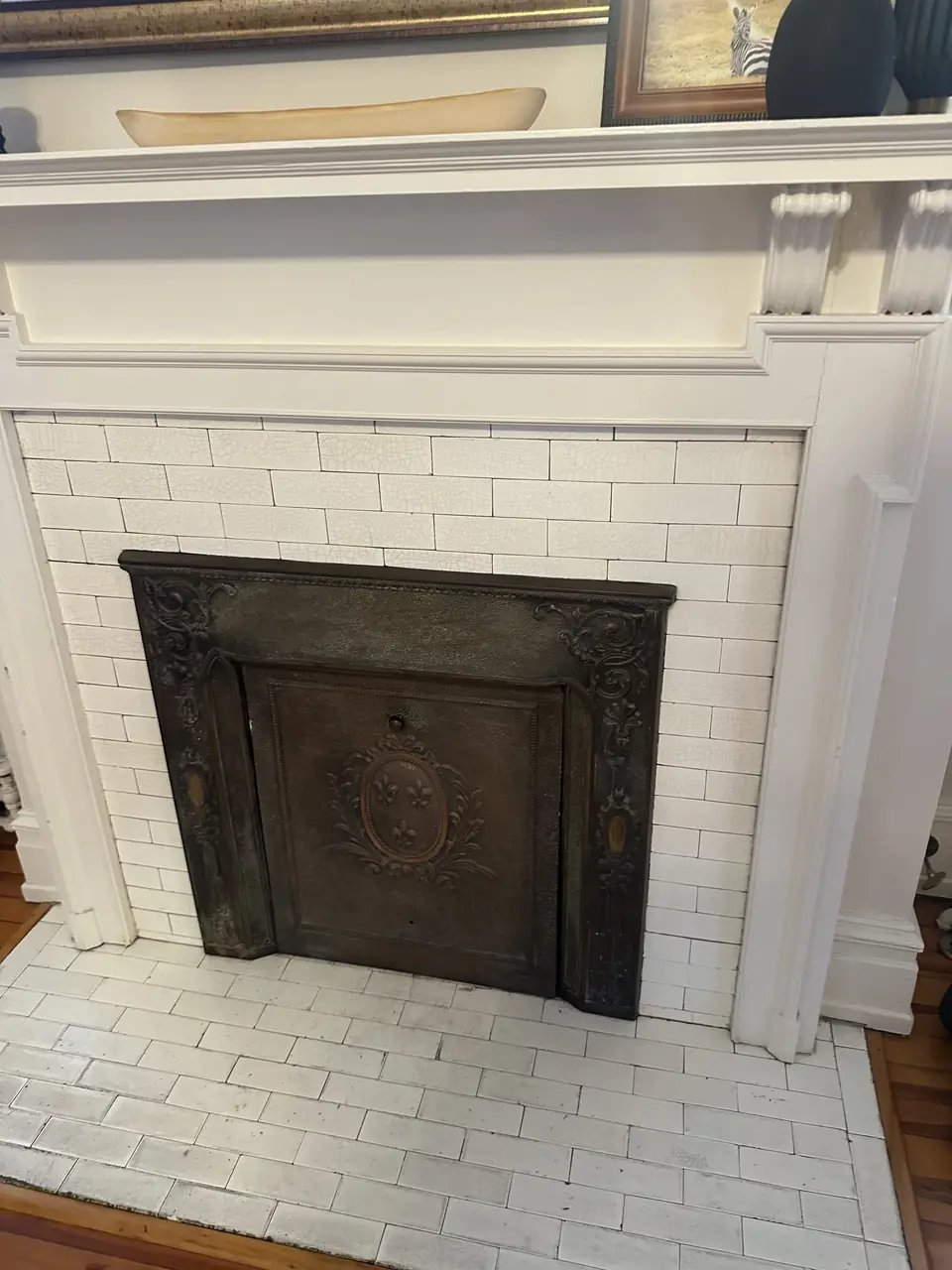
- Your open fireplace sends most of its heat up the chimney
- An older stove has cracked parts, worn gaskets or no readable label
- You bought a home with a stove and are not sure how it was installed
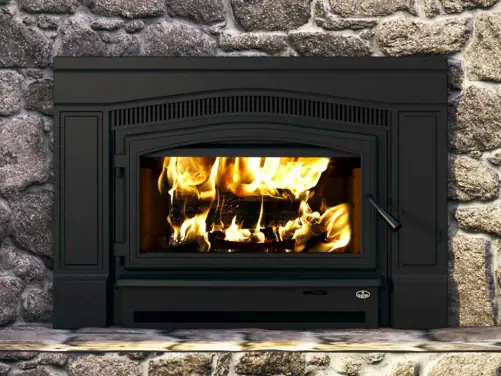
- You want to convert a fireplace to an insert
Services and prices vary by member company. Not every company offers this service, so ask when you call and get a written estimate.
Book wood stove installs near you
Enter your ZIP code to see the company that serves your area, then ask whether they offer wood stove installs. Services and prices vary by member company.
Prefer to call? Dial 833-CHIMNEY ((833) 244-6639) and enter your ZIP when asked.
Wood Stove Installs FAQ
Do I need a permit to install a wood stove?
Many cities and counties require one, and your insurer may want to know about a new stove. Check with your local building department before the installation.
How far does a wood stove need to be from the wall?
It depends on the stove. A listed stove has its clearances on its label and in its installation manual, and those must be followed. Unlisted stoves fall under NFPA 211’s general clearance rules, which are much larger.
Can a stove insert use my existing chimney?
Often, yes, but NFPA 211 calls for a positive connection between the insert and the flue liner, and many installers run a full-length listed liner from the insert to the top of the chimney. The chimney should be inspected and cleaned first.
Does a wood stove need a special floor?
Most stoves need a noncombustible floor protector of a set size and type, which the manufacturer’s instructions spell out.
What wood should I burn?
Dry, seasoned wood. The EPA’s Burn Wise program recommends a moisture content of 20% or less, which burns cleaner and leaves less creosote in the chimney.
How much does a stove installation cost?
It depends on the stove, the chimney and the work needed, and each member company sets its own prices and decides which services it offers. Ask for a written estimate.
Wood Stove Installs by state
Every area code has its own local page. Choose your state to find the company that serves you.
- Alabama
- Alaska
- Arizona
- Arkansas
- California
- Colorado
- Connecticut
- Delaware
- District of Columbia
- Florida
- Georgia
- Hawaii
- Idaho
- Illinois
- Indiana
- Iowa
- Kansas
- Kentucky
- Louisiana
- Maine
- Maryland
- Massachusetts
- Michigan
- Minnesota
- Mississippi
- Missouri
- Montana
- Nebraska
- Nevada
- New Hampshire
- New Jersey
- New Mexico
- New York
- North Carolina
- North Dakota
- Ohio
- Oklahoma
- Oregon
- Pennsylvania
- Rhode Island
- South Carolina
- South Dakota
- Tennessee
- Texas
- Utah
- Vermont
- Virginia
- Washington
- West Virginia
- Wisconsin
- Wyoming
Other services: Chimney Inspection · Chimney Cleaning · Dryer Vent Cleaning · Chimney Repairs · Chimney Relining · All services