Service
Chimney relining
The flue liner keeps heat, sparks and combustion gases inside the chimney. When it cracks, breaks apart or is the wrong size for the appliance, the chimney is no longer safe to use.
What it is and why it matters
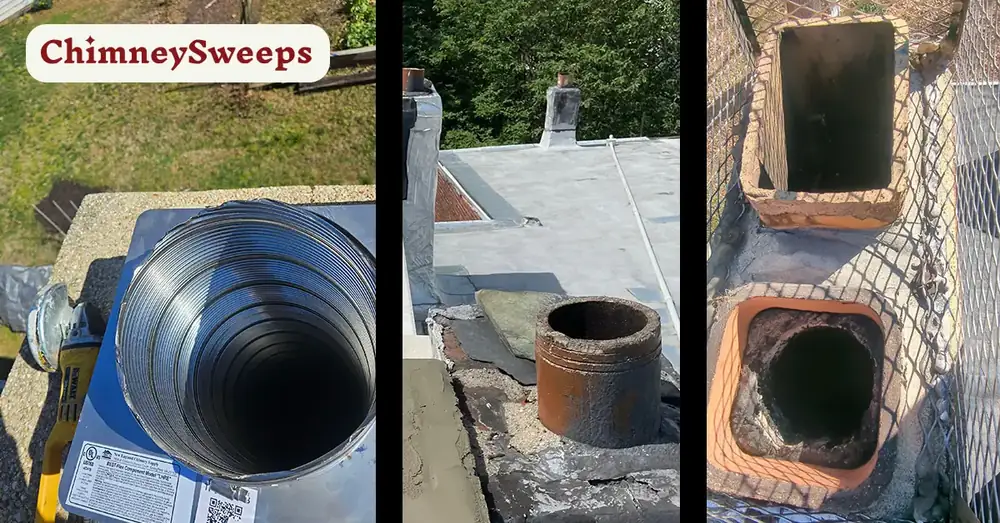
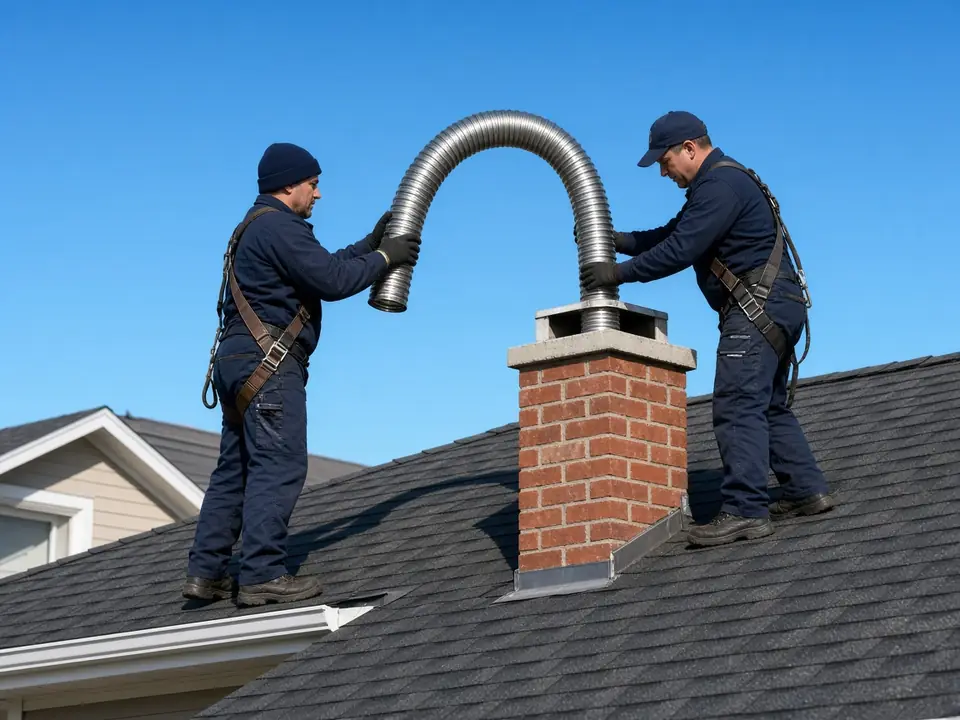
The IRC (Chapter 10) requires masonry chimneys to have a flue lining, and NFPA 211 covers the types of liner and how they are sized to the appliance they serve. Relining usually means installing a listed stainless steel liner system, a cast-in-place liner or new clay tiles. The right choice depends on the fuel, the appliance, the size and shape of the flue and the condition of the chimney.
What the work usually involves
- A video scan of the existing flue to confirm the problem
- Sizing the new liner to the appliance manufacturer’s requirements
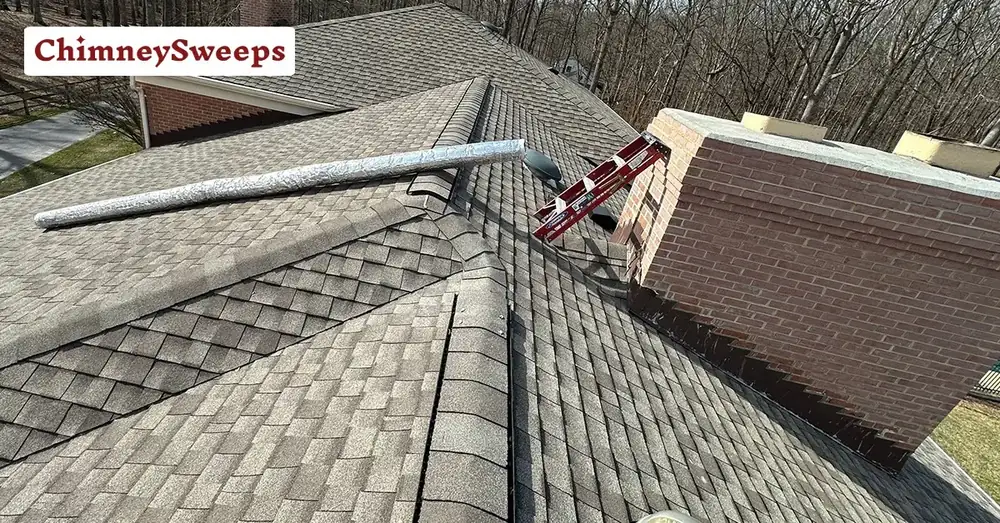
- Installation of a listed liner system, insulated where its listing calls for it
- A top plate and cap where the system calls for them
- Photos of the finished job
Sources: International Code Council, 2021 International Residential Code (IRC), Chapter 10: Chimneys and Fireplaces; NFPA 211, Standard for Chimneys, Fireplaces, Vents, and Solid Fuel-Burning Appliances. Codes are adopted locally, often with amendments; your building department can tell you which edition applies.
Signs it's time to book
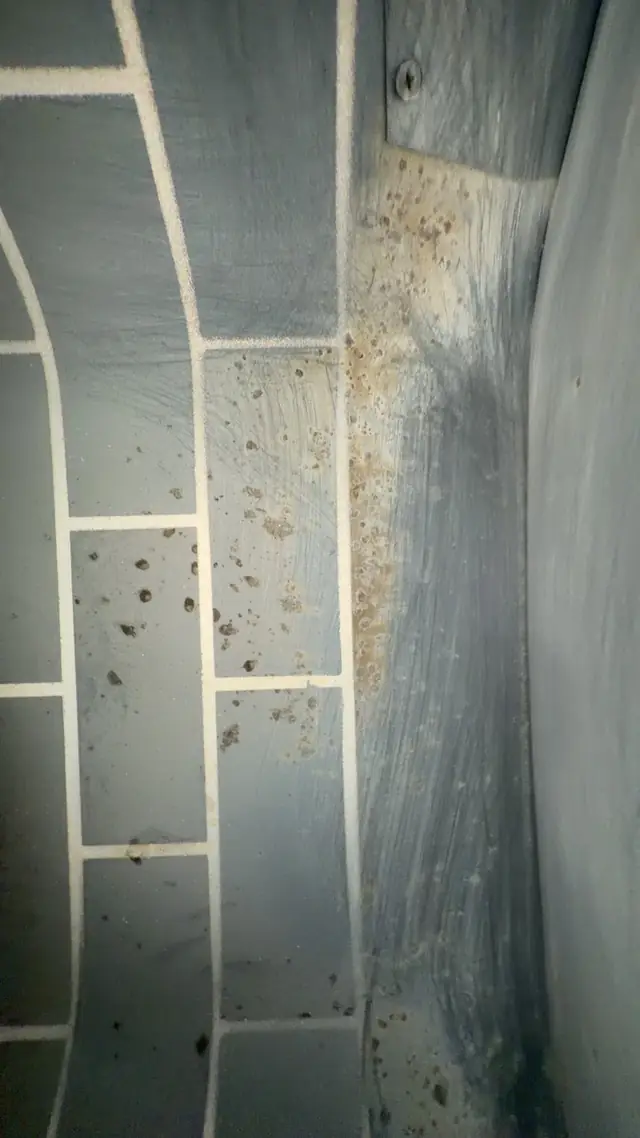
- A camera scan shows cracked, gapped or missing flue tiles
- You have had a chimney fire
- The house is older and the chimney may never have been lined
- You are adding a wood stove or insert, or changing fuel
- A new high-efficiency furnace left the water heater alone on a large flue
- Pieces of tile are falling into the firebox
Services and prices vary by member company. Not every company offers this service, so ask when you call and get a written estimate.
Book chimney relining near you
Enter your ZIP code to see the company that serves your area, then ask whether they offer chimney relining. Services and prices vary by member company.
Prefer to call? Dial 833-CHIMNEY ((833) 244-6639) and enter your ZIP when asked.
Chimney Relining FAQ
Why does a chimney need a liner?
A liner keeps heat away from the masonry and nearby wood framing, contains combustion gases, and gives the appliance a correctly sized flue so it drafts properly. The IRC requires a flue lining in masonry chimneys.
What types of chimney liner are there?
The common options are clay tile, listed metal liners (stainless steel, or aluminum for some gas appliances) and cast-in-place liners. Each one has to suit the fuel and the appliance it serves.
Do I need a new liner after a chimney fire?
Often, yes. A chimney fire can crack clay tiles. NFPA 211 calls for a Level 2 inspection after a chimney fire, and the camera scan shows whether the liner is still sound.
Why would a new furnace affect my chimney?
High-efficiency furnaces usually vent out the side of the house. If a gas water heater is left on its own in a flue sized for both, the flue may be too big for it to draft well and can collect condensation. Relining to the right size is a common fix.
How much does relining cost?
It depends on the liner type, the height and shape of the chimney and the appliance, and each member company sets its own prices. Ask for a written estimate.
Chimney Relining by state
Every area code has its own local page. Choose your state to find the company that serves you.
- Alabama
- Alaska
- Arizona
- Arkansas
- California
- Colorado
- Connecticut
- Delaware
- District of Columbia
- Florida
- Georgia
- Hawaii
- Idaho
- Illinois
- Indiana
- Iowa
- Kansas
- Kentucky
- Louisiana
- Maine
- Maryland
- Massachusetts
- Michigan
- Minnesota
- Mississippi
- Missouri
- Montana
- Nebraska
- Nevada
- New Hampshire
- New Jersey
- New Mexico
- New York
- North Carolina
- North Dakota
- Ohio
- Oklahoma
- Oregon
- Pennsylvania
- Rhode Island
- South Carolina
- South Dakota
- Tennessee
- Texas
- Utah
- Vermont
- Virginia
- Washington
- West Virginia
- Wisconsin
- Wyoming
Other services: Chimney Inspection · Chimney Cleaning · Dryer Vent Cleaning · Chimney Repairs · Wood Stove Installs · All services