When a Level 1 is enough, what triggers a Level 2, and how to explain the difference to a homeowner without overselling.
NFPA 211, the Standard for Chimneys, Fireplaces, Vents, and Solid Fuel-Burning Appliances, defines three levels of chimney inspection. Picking the right one, and being able to explain why, protects the homeowner and protects your company.
Level 1
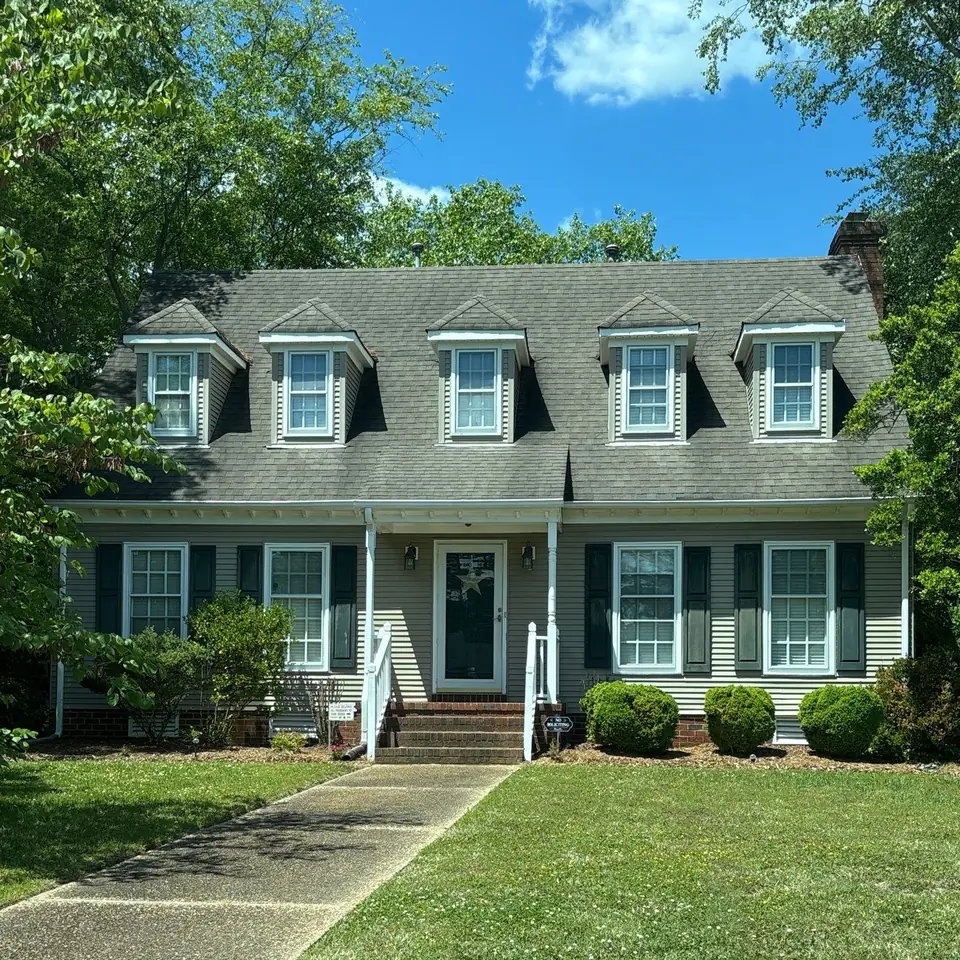
A Level 1 covers the readily accessible parts of the chimney exterior and interior and the appliance and its connection. It is the right inspection for a system in regular use with no changes and no known problems, and it is usually part of a routine sweep.
Level 2
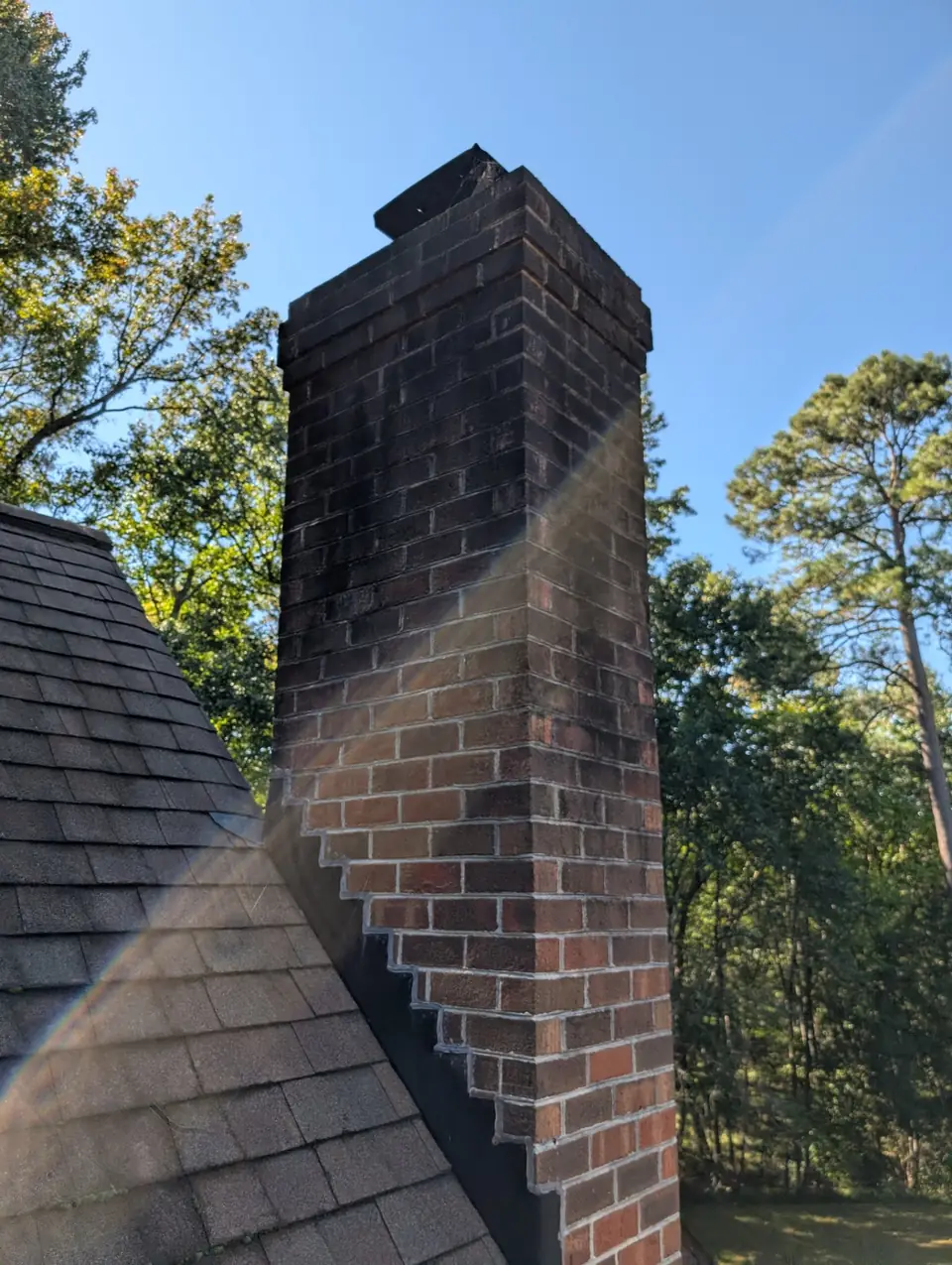
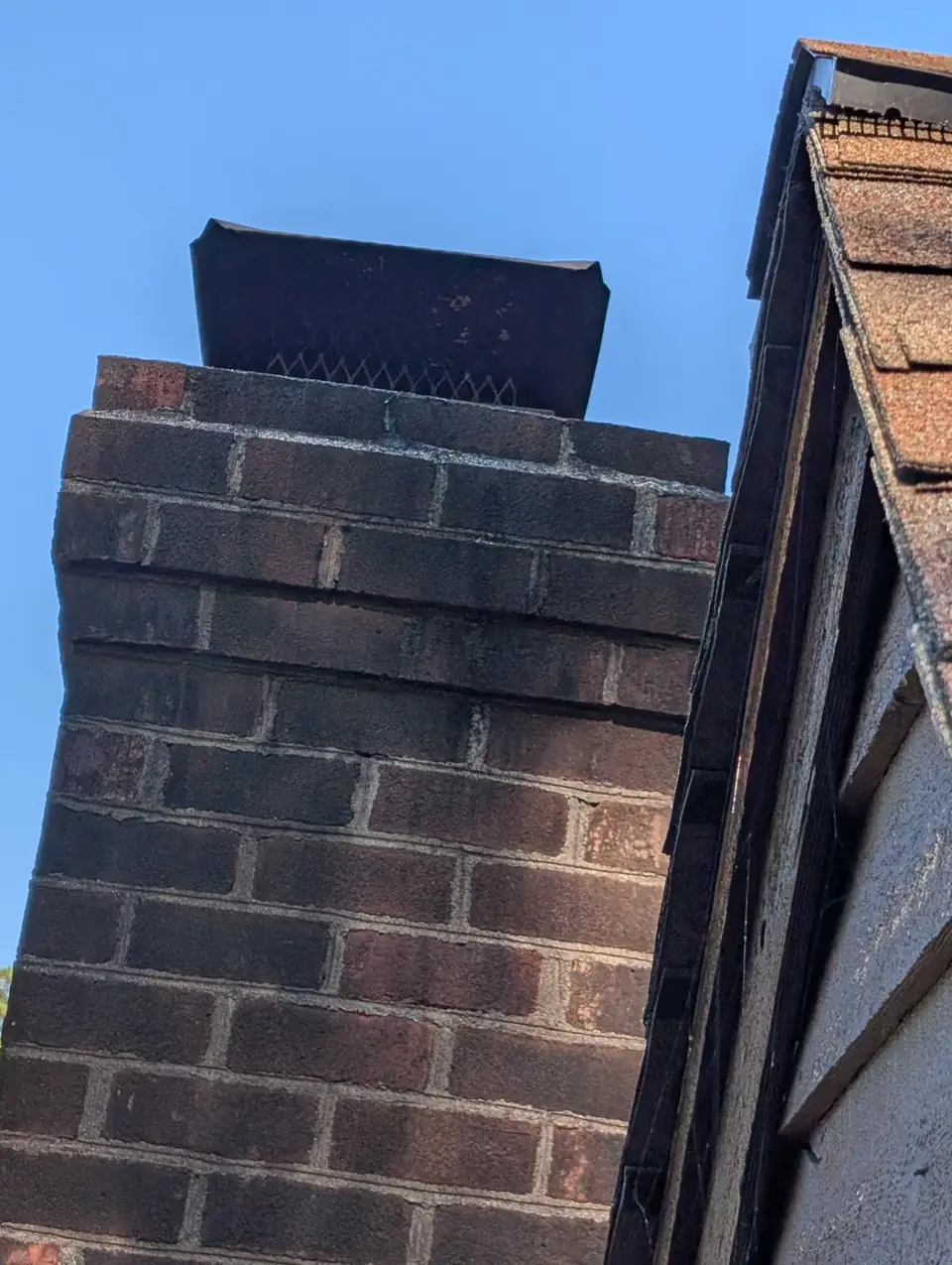
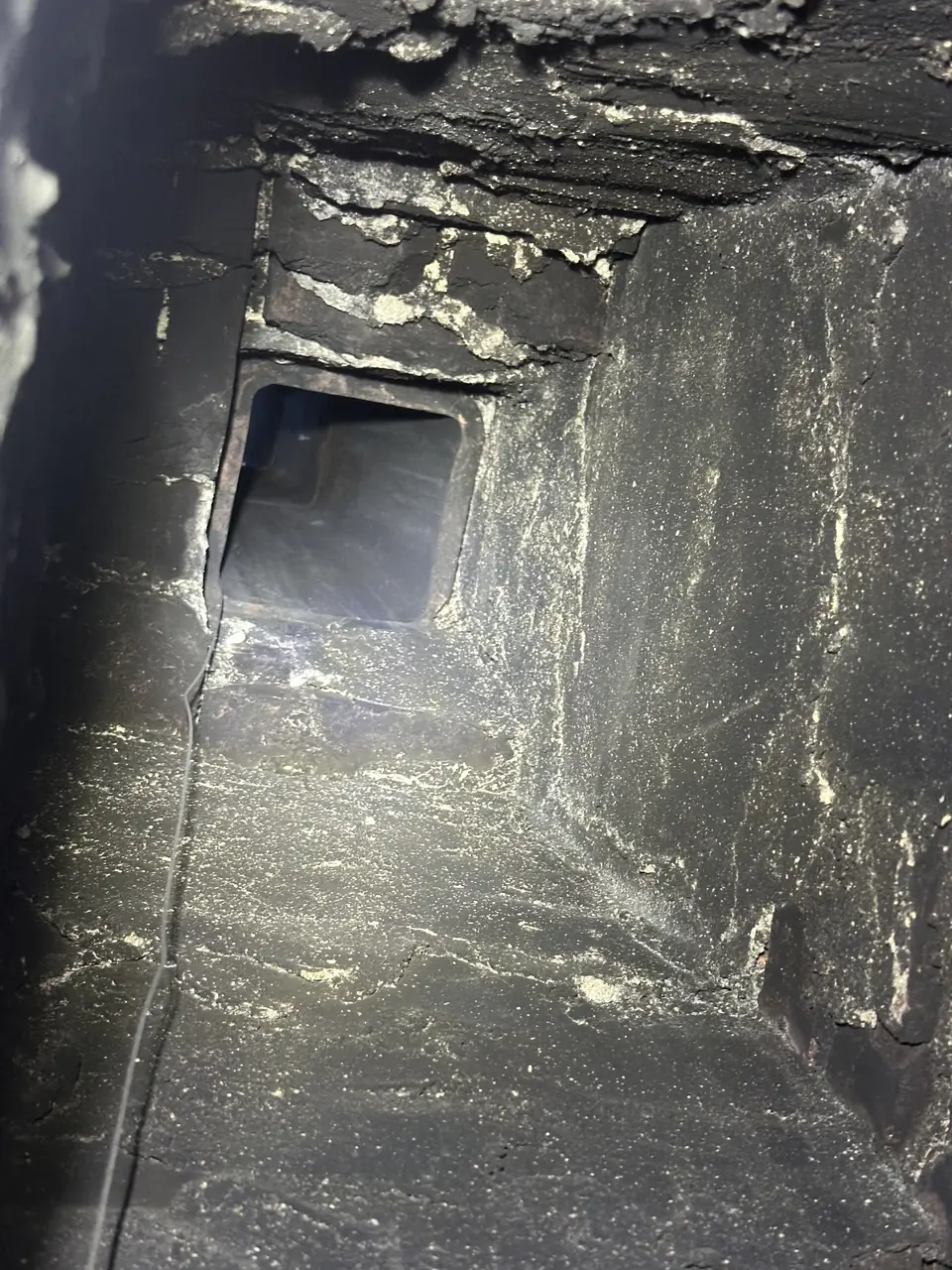
A Level 2 includes everything in a Level 1, plus accessible areas such as the attic, crawl space and roof, and a video scan of the inside of the flue. NFPA 211 calls for a Level 2 when:
- the property is sold or transferred
- the fuel type or appliance changes, or the system is relined
- there has been an event that could have damaged the chimney, such as a chimney fire, storm, earthquake or lightning strike
- a Level 1 finds something that needs a closer look
Level 3
A Level 3 includes everything in a Level 2, plus access to concealed areas, which may mean removing parts of the building or chimney. It is only appropriate when a serious hidden hazard is suspected and Level 1 or 2 findings point to it.
Explaining it to the homeowner
- Tell them what triggered the level you are recommending, in one sentence ("You are buying the house, so the standard calls for a Level 2 with a camera scan").
- Show them what you saw. Photos and camera footage do the explaining for you.
- Never recommend a Level 3 to sell work. It should follow from specific findings.
- Put the level, the reason and what you found in writing.
Source: NFPA 211. Check the edition adopted in your area.