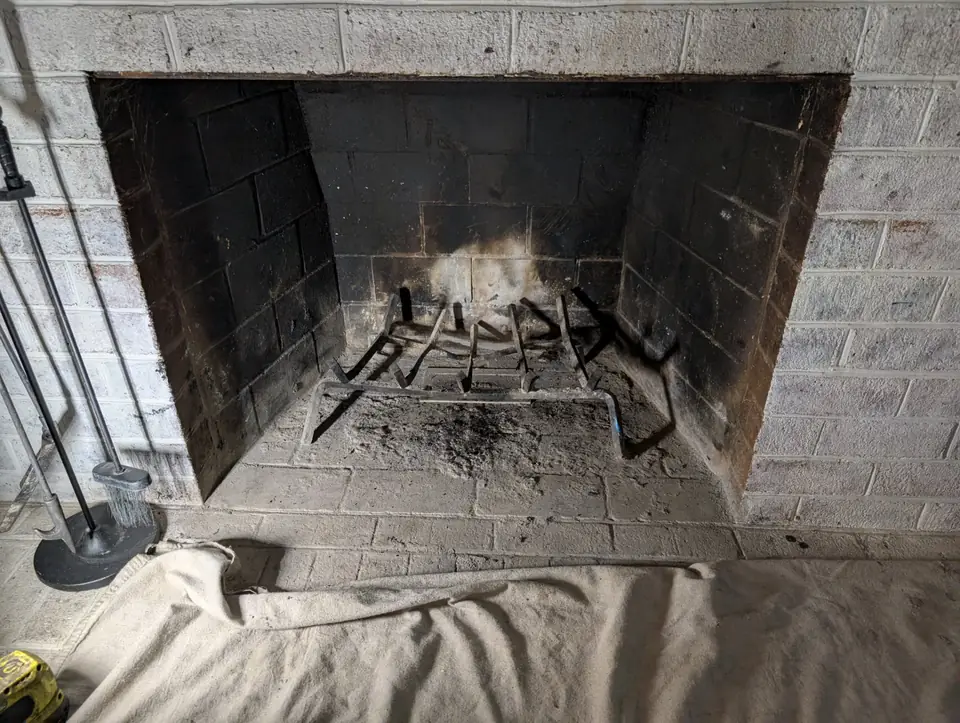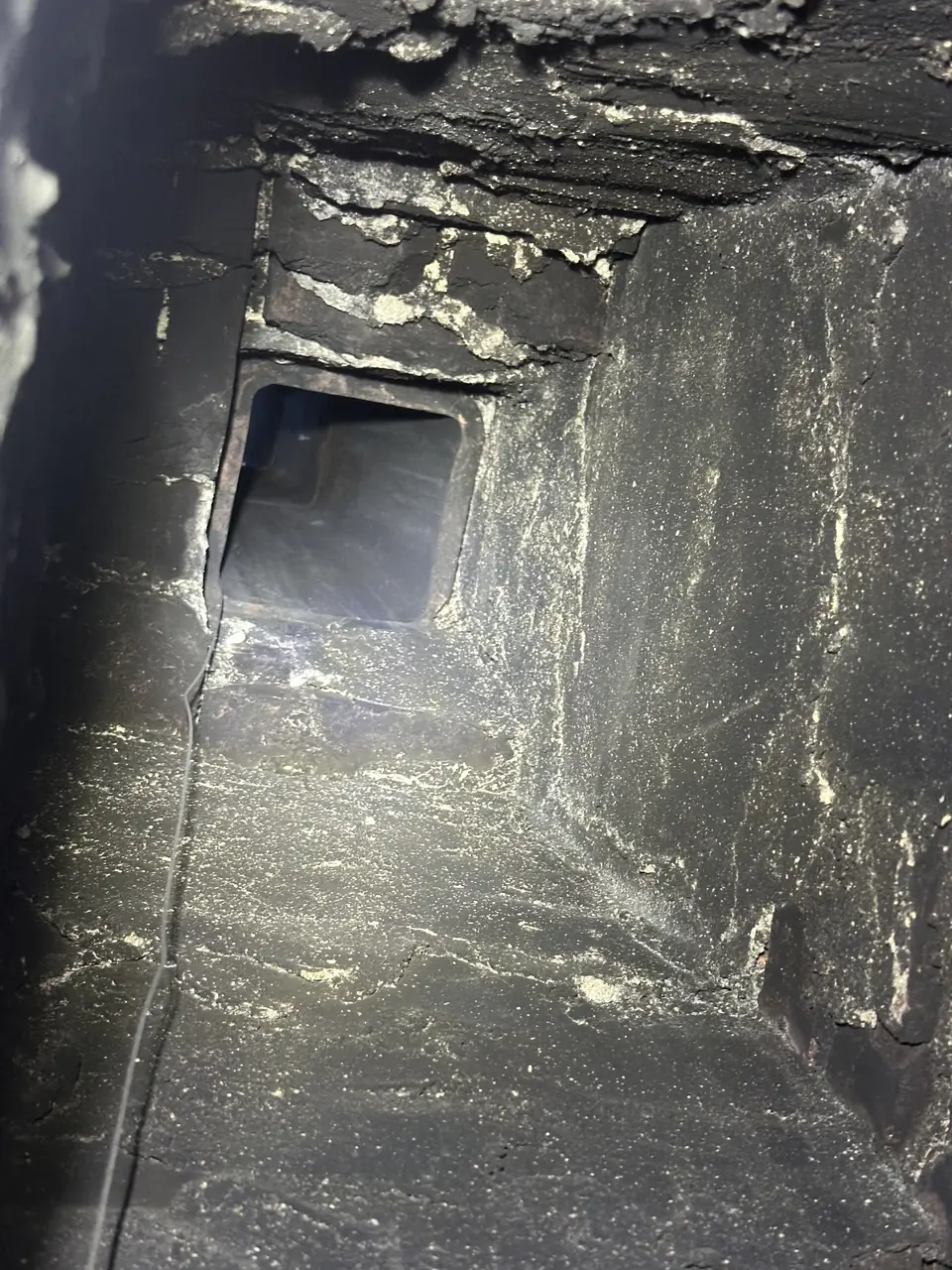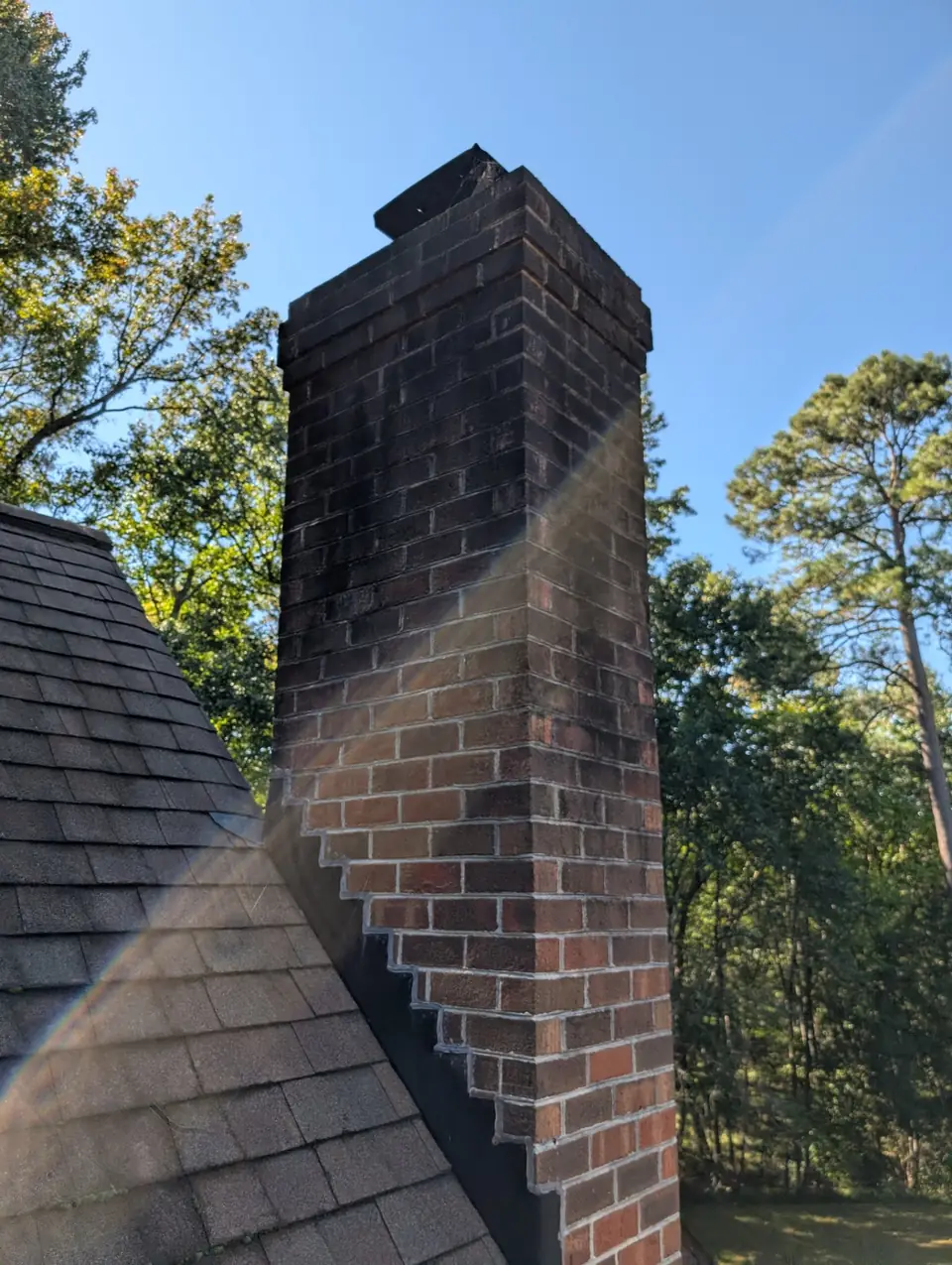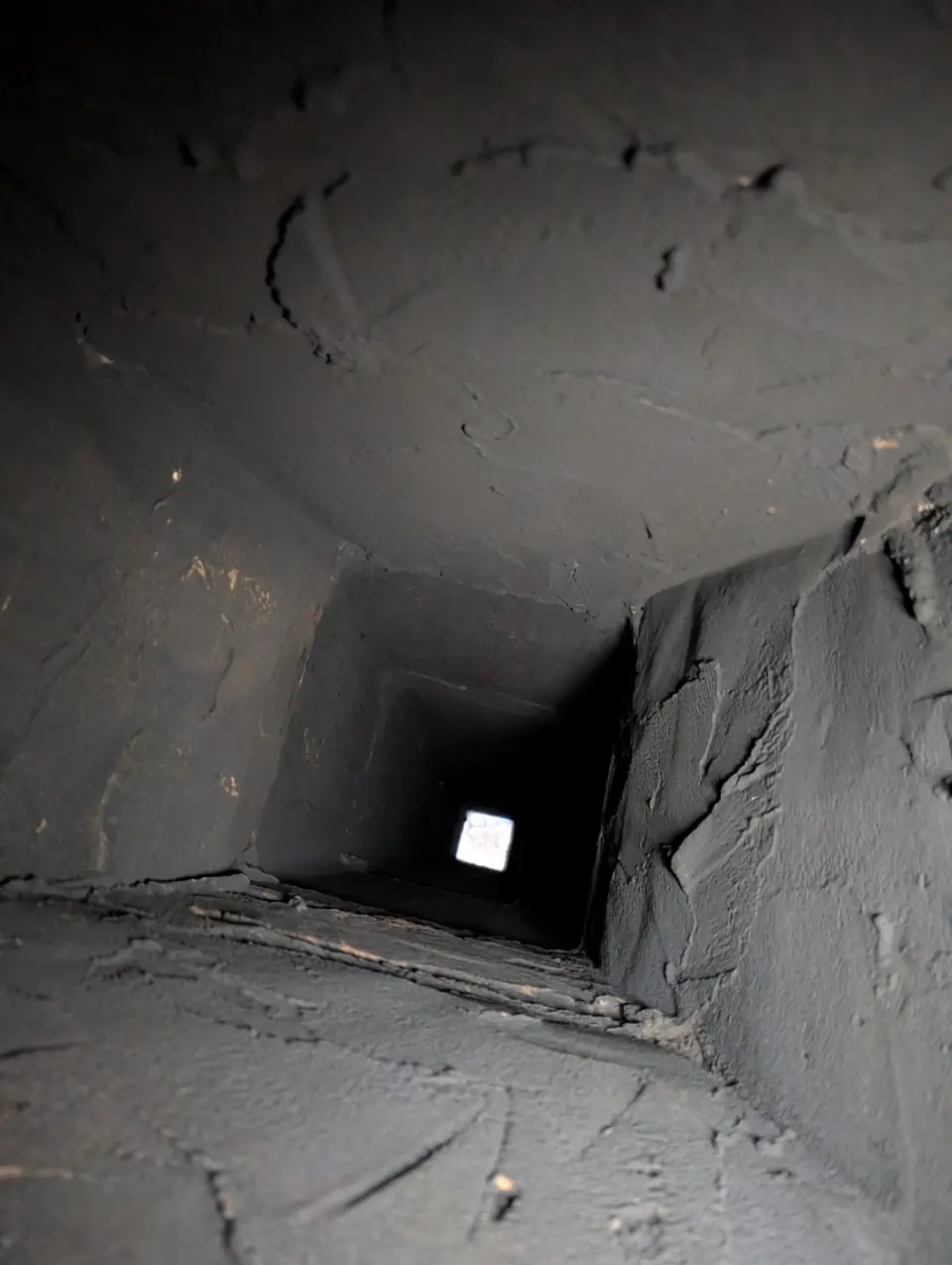
How to tell soft soot from glazed creosote, what each means for the cleaning, and the burning habits to recommend.
Creosote is the residue left when wood smoke cools inside the flue. Sweeps commonly describe it in three stages. Recognizing which one you are looking at tells you how to clean it and what to tell the homeowner.
Stage 1: soot and flaky deposits
Dry, powdery or flaky deposits that come off with standard brushing. Usually a sign of a system that is being used and cleaned regularly.
Stage 2: crunchy, porous deposits
Black, crunchy or puffy deposits that are harder to remove and may need stiffer brushes or rotary tools. Often a sign of restricted air supply or cooler-burning fires.
Stage 3: glazed creosote
A shiny, tar-like or hardened glaze that coats the flue. It is very difficult to remove, may need chemical treatment and repeated visits, and burns very hot if it ignites. Look for signs of a past chimney fire, such as puffy "honeycombed" creosote, warped metal or cracked tiles, and recommend a Level 2 inspection where they appear.
What to tell the homeowner
- Burn dry, seasoned wood. The EPA's Burn Wise program recommends a moisture content of 20% or less.
- Give fires enough air. Long, smoldering fires with the air turned down build creosote fastest.
- Keep up with annual inspections, and cleaning when the inspection calls for it, as NFPA 211 recommends.
- Show them the photos, so they can see why it matters.
Sources: NFPA 211; U.S. EPA Burn Wise.